Your vehicle’s paint does more than give it an attractive appearance. The paint system helps protect the underlying metal and materials from environmental exposure, moisture, contaminants, and everyday wear. However, regular driving can gradually affect the finish. Swirl marks, fine scratches, oxidation, water spots, and other imperfections can make even a well-maintained vehicle look dull.
A standard car wash can remove dirt and surface contaminants, but it cannot correct many of these paint imperfections. This is where professional paint correction can make a significant difference. Paint correction is a specialised detailing process designed to reduce or remove certain imperfections from a vehicle’s paintwork and restore greater clarity, gloss, and smoothness.
Understanding what paint correction involves, what causes paint defects, and when your vehicle actually needs the service can help you make better decisions about long-term vehicle care.
What Is Paint Correction?
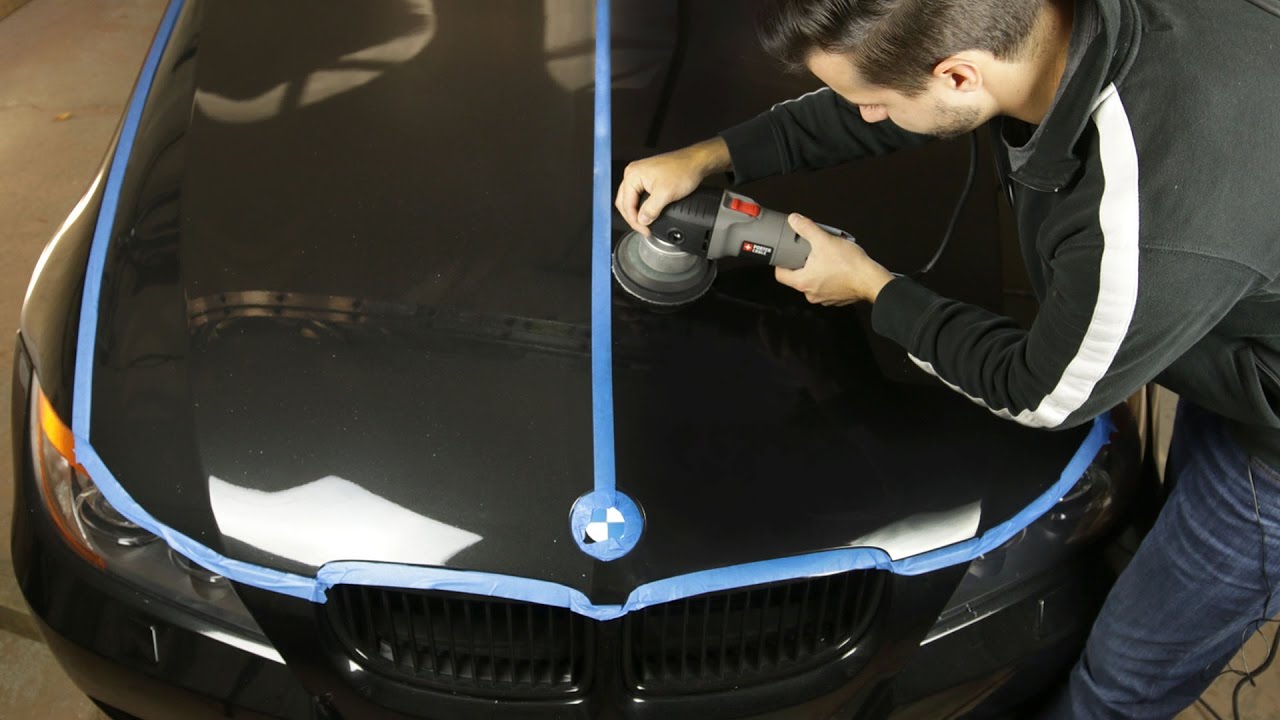
Paint correction is a professional detailing process that uses specialised polishing techniques to improve the appearance of a vehicle’s painted surfaces. Detailers use machine polishers, polishing compounds, pads, and carefully selected techniques to refine the clear coat and reduce visible imperfections.
Unlike products that simply cover imperfections temporarily, paint correction focuses on refining the surface itself. The process can reduce the appearance of swirl marks, light scratches, oxidation, water spots, and other defects depending on their severity.
What Causes Vehicle Paint Imperfections?
Vehicle paint can become damaged or visually degraded for many reasons. Some issues develop gradually, while others can occur from a single incident or improper cleaning technique.
One of the most common causes is improper washing. Using dirty sponges, rough towels, unsuitable cleaning products, or incorrect washing techniques can introduce fine scratches into the clear coat. Over time, these factors can reduce paint clarity and create a dull or uneven appearance.
Common Signs Your Vehicle Needs Paint Correction
Not every vehicle requires paint correction. If your paint is already smooth, glossy, and free from significant imperfections, regular washing and protection may be sufficient. However, certain visual signs indicate that correction could be beneficial.
Swirl Marks and Fine Scratches
Swirl marks are among the most common paint defects. They often appear as circular or spider-web-like patterns when viewed under direct sunlight or strong artificial lighting.
These marks are typically caused by improper washing and drying techniques. They may not be obvious when the vehicle is viewed in low light, but they can become highly visible under bright conditions. Paint correction can reduce or remove many light swirl marks by carefully refining the clear coat.
Oxidation and Faded Paint
Long-term exposure to sunlight and environmental conditions can cause paint to lose its original depth and gloss. This is often associated with oxidation.
Moderate surface oxidation may sometimes be improved through professional paint correction. However, severely damaged or failing paint may require more extensive restoration or repainting. A professional detailer should inspect the surface before determining whether correction is appropriate.
Water Spots and Surface Contamination
Water spots occur when water containing minerals evaporates and leaves deposits on the paint. If these deposits are allowed to remain on the vehicle, they can become difficult to remove through normal washing. Some water spots are superficial and can be treated through cleaning and polishing. More severe etching may require paint correction.
Dull or Hazy Paint
A vehicle can lose its glossy appearance due to fine scratches, oxidation, contaminants, or repeated exposure to environmental conditions. If washing no longer restores the paint’s shine, professional correction may help improve clarity and reflectivity.
Paint Correction vs Waxing, Polishing, and Ceramic Coating
Paint correction is often confused with other vehicle detailing services. Although these services can work together, they serve different purposes. Waxing primarily provides a protective layer and enhances gloss. It does not generally correct deeper paint imperfections.
Polishing can refer to a broad range of processes. Some polishing products are designed mainly to enhance gloss, while professional paint correction involves carefully selected compounds and machine polishing techniques intended to reduce specific defects. Ceramic coating is a protective treatment applied to the vehicle’s surface. It can provide hydrophobic properties and additional protection against certain environmental contaminants, but it does not replace paint correction.
How Does the Paint Correction Process Work?
A professional paint correction process typically involves several important stages.
Vehicle Inspection
The process begins with an inspection of the vehicle. The detailer evaluates the paint condition, identifies imperfections, and determines how much correction may be appropriate. Lighting is important during this stage because some defects are difficult to see under normal daylight.
Thorough Washing and Decontamination
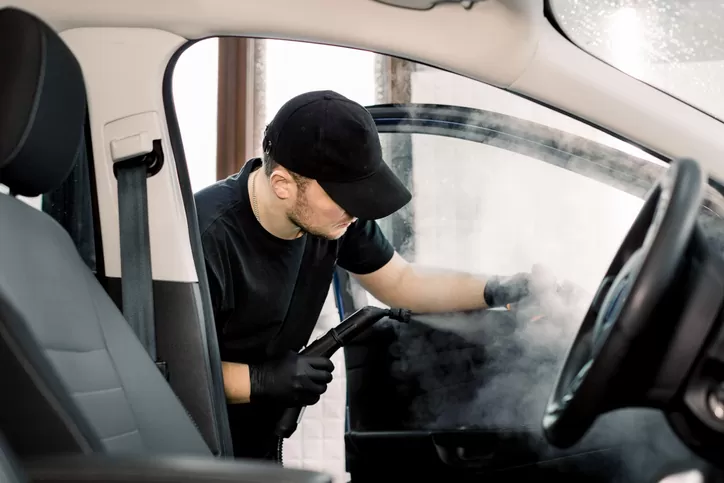
Before polishing begins, the vehicle must be thoroughly cleaned. Dirt, dust, road grime, and other contaminants need to be removed from the surface.
Professional detailers may also use chemical and mechanical decontamination methods to remove bonded contaminants that ordinary washing cannot eliminate.
Paint Assessment
The detailer evaluates the paint to determine the appropriate correction approach. In some cases, paint thickness may be assessed to help guide the process.
This step is particularly important because the goal is not to remove excessive amounts of clear coat. Professional correction should focus on achieving a safe and appropriate improvement.
Machine Polishing
Once the surface has been prepared, the detailer uses a machine polisher with a suitable pad and compound.
The combination depends on the condition of the paint. More aggressive combinations may be required for significant defects, while softer pads and finishing products can be used to refine the surface.
Refining the Finish
After correction, the detailer may perform a finishing stage to improve gloss, clarity, and smoothness. The vehicle is then inspected under appropriate lighting to ensure the desired results have been achieved.
Applying Protection
After paint correction, many vehicle owners choose to apply a wax, sealant, or ceramic coating. This final step can help protect the newly refined surface and maintain its appearance for longer.
Different Levels of Paint Correction
Paint correction is not a one-size-fits-all service. The level required depends on the vehicle’s condition and the customer’s expectations.
One-Step Paint Correction
A one-step correction is generally suitable for vehicles with light to moderate imperfections. It focuses on improving gloss and reducing the appearance of common defects without pursuing maximum defect removal. This can be an excellent option for daily drivers where the goal is a noticeable improvement rather than complete perfection.
Multi-Step Paint Correction
Multi-step correction involves several polishing stages and may be used when the paint has more significant defects. The process can involve a cutting stage followed by one or more refining stages. This requires additional time and expertise.
Advanced Paint Correction
Severely neglected vehicles may require more extensive correction. However, not every defect should be aggressively polished away. Deep scratches that have penetrated too far into the paint system may not be safely removable through polishing. In such situations, bodywork or repainting may be necessary.
When Does Your Vehicle Need Paint Correction?
There are several situations where paint correction may be worth considering. If your vehicle has visible swirl marks and fine scratches, correction can improve the overall appearance. If the paint looks dull despite regular washing, professional polishing may help restore clarity and gloss.
Paint correction can also be useful before selling or showcasing a vehicle. Improving the exterior appearance can make the vehicle look better presented to potential buyers. Another common reason is preparation for ceramic coating. Since ceramic coatings are designed to provide long-term surface protection, many owners prefer to correct visible imperfections before applying the coating.
Benefits of Professional Paint Correction
One of the biggest benefits of paint correction is improved visual appearance. Reducing swirl marks and surface defects can make the paint look deeper, clearer, and more reflective. Professional correction can also improve the overall presentation of the vehicle. A properly corrected finish can make body lines and paint colours appear more defined.
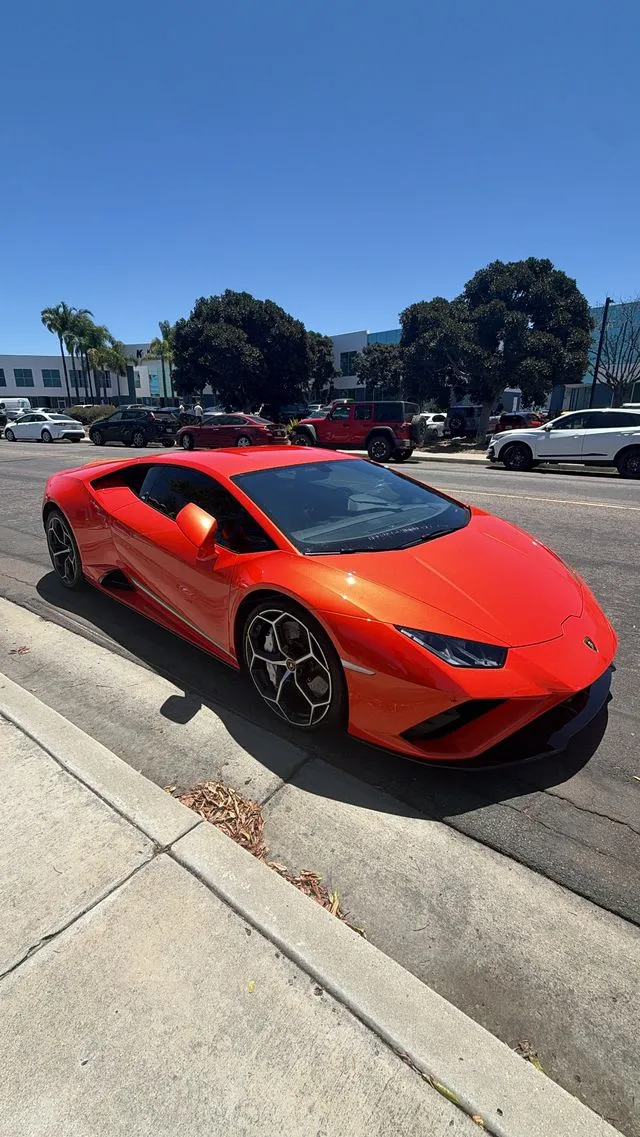
Another benefit is that correction creates a cleaner foundation for protective treatments. Wax, sealants, and ceramic coatings can be applied after the surface has been properly prepared. Paint correction can also help maintain the visual appeal of a vehicle over the long term when combined with proper washing and maintenance. For enthusiasts and owners of premium vehicles, the improvement in paint clarity can be especially noticeable.
When Paint Correction May Not Be Enough
Paint correction has limitations. It is not a solution for every type of paint damage. Deep scratches that have penetrated through the clear coat and into the base coat or primer may not be safely removed through machine polishing. Similarly, severely peeling clear coat, extensive paint failure, deep etching, or significant body damage may require professional bodywork or repainting.
Trying to remove every imperfection through increasingly aggressive polishing can remove too much clear coat and potentially create additional problems. A qualified detailer should therefore inspect the damage and explain what can realistically be corrected before starting the work.
How to Maintain Corrected Paint
Once your vehicle has undergone paint correction, proper maintenance is essential for preserving the results. Use safe washing techniques and avoid rough materials that can introduce new scratches. High-quality microfiber towels and appropriate vehicle-cleaning products can help minimise surface damage.
Avoid automatic car washes that use abrasive brushes when possible. Hand washing with proper methods can provide greater control over how the paint is treated. Bird droppings, tree sap, and other contaminants should also be removed as soon as reasonably possible because prolonged exposure can cause staining or etching.
Regular professional detailing can help maintain the corrected finish. Applying a quality sealant or ceramic coating can provide additional protection depending on your needs. The key is to avoid repeating the washing habits that caused the original paint defects.
How to Choose a Professional Paint Correction Service
Choosing an experienced professional is important because paint correction requires knowledge, equipment, and careful technique. Start by reviewing the detailer’s experience and previous work. Before-and-after photographs can provide useful information about the quality of their results.
Ask what type of correction process they recommend for your vehicle and why. A reputable professional should inspect the paint before recommending a service. It is also useful to ask about the products, machine polishers, pads, and protective treatments they use.
Avoid providers who promise to remove every scratch without first assessing the condition and thickness of the paint. Safe correction is about achieving the best possible improvement without unnecessarily compromising the clear coat. A professional should also explain the difference between correction and protection so that you can choose a service based on your vehicle’s needs.
Frequently Asked Questions
How long does paint correction take?
The time required depends on the size of the vehicle, condition of the paint, and level of correction required. A basic one-step correction may take significantly less time than a multi-stage correction involving extensive defects.
Does paint correction remove all scratches?
No. Light scratches and surface defects may be reduced or removed, but deep scratches that have penetrated beyond the clear coat may require other repair methods.
Is paint correction safe for my vehicle?
When performed correctly by an experienced professional, paint correction can be a safe way to improve the appearance of automotive paint. The process should be carefully controlled to avoid unnecessary removal of clear coat.
How often should a vehicle receive paint correction?
There is no universal schedule. Paint correction is generally performed when significant imperfections develop rather than as a routine monthly or yearly service. Proper washing and maintenance can reduce the need for frequent correction.
Should I get ceramic coating after paint correction?
Many vehicle owners choose to apply ceramic coating after paint correction because the paint has been cleaned and refined. The coating can then provide additional protection and hydrophobic properties.
Conclusion
Paint correction is a specialised vehicle detailing process designed to improve the appearance of automotive paint by reducing or removing certain surface imperfections. Unlike a traditional car wash, it focuses on refining the paint rather than simply removing dirt.
Swirl marks, fine scratches, oxidation, water spots, and dullness are some of the most common reasons vehicle owners consider paint correction. However, the service is not appropriate for every type of damage. Contact us today to have your vehicle professionally assessed and find the right solution for restoring and protecting its paint.
The best approach is to have the vehicle professionally inspected before deciding on the level of correction required. A skilled detailer can determine which imperfections can be safely improved and recommend suitable protection afterward.