When people think about maintaining a vehicle, they often focus on oil changes, tyre rotations, engine maintenance, and exterior washing. However, the condition of the interior can also have a significant impact on how a vehicle looks, feels, and is perceived by potential buyers. A clean and well-maintained cabin can make a vehicle appear newer and better cared for, which can be particularly important when it is time to sell or trade it in.
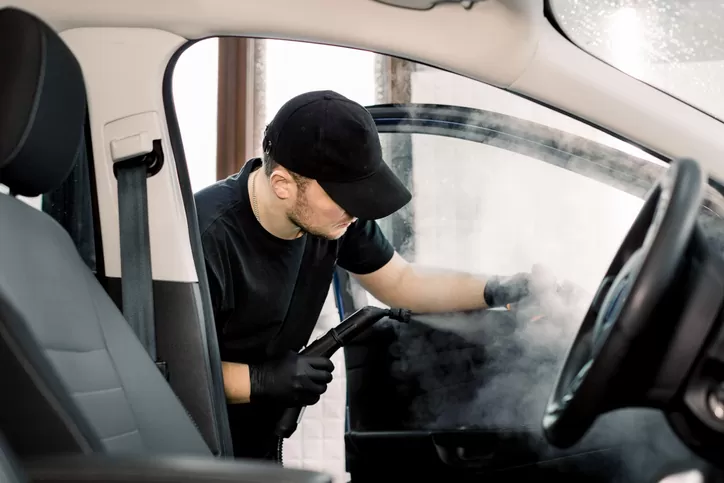
Interior car detailing goes beyond a quick vacuum or wiping down the dashboard. Professional detailing involves thoroughly cleaning, treating, and maintaining the various surfaces inside the vehicle. From upholstery and carpets to dashboards and door panels, detailed attention can help preserve the condition of the cabin.
Whether you plan to keep your vehicle for several years or eventually sell it, regular interior detailing can be a worthwhile part of your vehicle maintenance routine. It can improve comfort, protect interior materials, reduce unpleasant odours, and help maintain the vehicle’s overall appeal.
Why Is Interior Car Detailing Important for Your Vehicle’s Value?
Interior car detailing is important because the condition of a vehicle’s cabin can influence its perceived condition and resale appeal. When prospective buyers inspect a used vehicle, they typically look at both its mechanical condition and its overall presentation.
A dirty, stained, or damaged interior may make buyers wonder whether the vehicle has been properly maintained. In contrast, a clean and well-maintained cabin can create a positive first impression and reinforce the idea that the owner has taken care of the vehicle.
Detailing can also help prevent everyday dirt and contaminants from causing long-term damage. Regular cleaning removes dust, food particles, spills, pet hair, and other substances before they become more difficult to remove.
What Is Interior Car Detailing?
Interior car detailing is a comprehensive cleaning and maintenance process designed to restore and preserve the inside of a vehicle. Unlike a basic interior cleaning, detailing typically involves paying close attention to individual surfaces and hard-to-reach areas.
The exact process varies depending on the vehicle’s condition. A vehicle with minor dirt may require a relatively simple service, while one with heavy stains, pet hair, spills, or odours may require a more intensive treatment.
How Does Interior Car Detailing Affect Resale Value?
The condition of a vehicle’s interior can influence how potential buyers evaluate the entire vehicle. Buyers may not simply see a stained seat or dirty carpet as an isolated issue. They may interpret visible neglect as a sign that other aspects of the vehicle have also received limited attention.
However, detailing should be viewed as part of overall vehicle maintenance rather than a guaranteed way to increase resale value. Mechanical condition, mileage, service history, age, model, market demand, and exterior condition all influence a vehicle’s actual value.
What Interior Areas Should Be Detailed Before Selling a Car?
When preparing a vehicle for sale, sellers should pay attention to every area that a prospective buyer is likely to inspect. Visible surfaces are especially important because they immediately influence the appearance of the cabin.
Important areas include:
- Seats and upholstery
- Carpets and floor mats
- Dashboard and centre console
- Door panels and interior trim
- Cup holders and storage compartments
- Interior windows and mirrors
- Air vents
- Trunk or cargo area
Seats deserve particular attention because they are frequently used and can accumulate stains, dust, body oils, and other contaminants. Carpets and floor mats can also hold dirt and odours, especially in vehicles that are regularly driven in wet or muddy conditions.
Can Interior Detailing Remove Stains and Odours?
One of the major benefits of professional interior detailing is its ability to address stains and unpleasant odours. Vehicles can accumulate smells from food, drinks, pets, smoke, moisture, and everyday use.
Simply applying an air freshener may temporarily cover an odour without addressing its source. Professional detailing can involve cleaning the surfaces where odour-causing contaminants have accumulated.
Stain removal also depends on the type of material and how long the stain has been present. Fresh spills may be easier to remove than stains that have been absorbed into upholstery or carpeting over a long period.
How Does Interior Detailing Prevent Long-Term Wear?
Interior surfaces are exposed to constant use. Every time passengers enter the vehicle, they bring in dust, dirt, moisture, and other contaminants. Over time, these substances can contribute to wear and deterioration.
Regular detailing helps remove contaminants before they become deeply embedded in carpets, upholstery, and other surfaces. It can also help maintain materials that require conditioning, such as leather.
Sun exposure is another factor that can affect interior materials. Prolonged exposure to UV rays can contribute to fading, drying, and deterioration of certain surfaces. Appropriate cleaning and protection products can help maintain the appearance of these materials.
Why Is a Clean Interior Important When Selling a Used Car?
A clean interior can influence a buyer’s first impression during an inspection or test drive. Buyers often spend time sitting inside a vehicle, examining the seats, dashboard, carpets, controls, and storage areas.
If the cabin is dirty or has strong odours, the buyer may become more cautious about the vehicle. They may also assume that other maintenance tasks have been overlooked. A well-presented interior creates a more inviting environment. Clean seats, spotless surfaces, fresh carpets, and clear windows can make the vehicle feel more comfortable and cared for.
This does not mean sellers should attempt to hide damage or defects. Detailing should improve cleanliness and presentation while leaving the vehicle’s actual condition transparent to prospective buyers.
How Often Should You Get Your Car Interior Detailed?
There is no universal detailing schedule that works for every vehicle. The ideal frequency depends on how often the car is driven and the conditions in which it is used.
A vehicle used every day may benefit from more frequent detailing than one that is driven occasionally. Cars carrying children or pets may also require additional cleaning because they are more likely to accumulate food particles, hair, spills, and other debris.
Drivers can generally maintain the interior between professional detailing appointments by regularly vacuuming, removing rubbish, wiping surfaces, and addressing spills promptly. Professional detailing may be especially worthwhile before selling or trading in a vehicle, after a particularly messy journey, or when the interior has developed persistent stains or odours.
Professional Interior Detailing vs. DIY Cleaning
DIY cleaning can be useful for routine interior maintenance. Basic tools such as a vacuum, microfiber cloths, appropriate surface cleaners, and brushes can help vehicle owners keep their cabins reasonably clean.
However, professional detailing typically involves specialised equipment, cleaning techniques, and products designed for different interior materials. Detailers can also spend considerably more time addressing areas that are often overlooked during routine cleaning.
Professional detailing may be particularly useful when a vehicle has:
- Deep stains
- Persistent odours
- Excessive pet hair
- Heavily soiled carpets
- Dirty upholstery
- Leather requiring specialised care
- Significant dust buildup
DIY cleaning is valuable for regular maintenance, but professional detailing can provide a deeper level of cleaning and presentation.
What Are the Benefits of Interior Car Detailing Beyond Resale Value?
Maintaining resale value is only one reason to invest in interior detailing. A clean cabin can also make everyday driving more comfortable and enjoyable. Regular detailing can help maintain a more pleasant environment by removing dust, dirt, food debris, and unpleasant smells. It can also make the vehicle feel more organised and inviting.
For people who spend significant amounts of time in their vehicles, maintaining the interior can be especially valuable. Commuters, families, business drivers, and people who frequently travel long distances may notice a greater difference from a clean and well-maintained cabin.
Interior detailing can provide benefits such as:
- Improved cabin appearance
- Reduced unpleasant odours
- Better protection for interior materials
- Greater passenger comfort
- Easier routine maintenance
- Improved presentation when selling the vehicle
Keeping the interior clean can therefore contribute to both short-term comfort and long-term vehicle maintenance.
How Much Does Interior Car Detailing Cost?
The cost of interior car detailing varies depending on several factors. Vehicle size, interior condition, location, detailing package, and the specific services required can all influence the final price.
Instead of choosing a service based only on price, vehicle owners should consider what is included. A comprehensive detailing service may provide more value when the goal is to restore the interior before selling the vehicle.
It is also useful to communicate the vehicle’s condition with the detailer beforehand. Explaining issues such as stains, spills, smoke odours, or pet hair can help determine which services may be necessary.
When Should You Detail Your Interior Before Selling Your Car?
Ideally, interior detailing should be completed before taking photographs, advertising the vehicle, and arranging inspections. A clean interior can make online listings more appealing and create a better experience for potential buyers.
Sellers should allow enough time for deep cleaning and drying, particularly when carpets or upholstery require extraction. Detailing immediately before a test drive can also ensure that the cabin is presented at its best.
Before listing the vehicle, inspect the entire interior after detailing. Check the seats, carpets, dashboard, windows, door panels, storage compartments, and cargo area. A final inspection helps identify any areas that may need additional attention before the vehicle is photographed or shown to buyers.
Common Interior Detailing Mistakes to Avoid
One common mistake is using the wrong cleaning products on interior materials. A product designed for one surface may damage another, particularly when used on leather, delicate upholstery, or specialised trim. Another mistake is using excessive amounts of water. Upholstery and carpeting can retain moisture, potentially creating additional odours or other problems if they are not properly dried.
Vehicle owners should also avoid masking unpleasant smells with strong air fresheners. Addressing the source of the odour is generally a better approach than simply covering it. Ignoring areas such as air vents, cup holders, seat seams, door pockets, and cargo spaces can also reduce the overall result. These small areas can accumulate significant amounts of dirt over time.
Frequently Asked Questions About Interior Car Detailing and Vehicle Value
Does interior detailing increase a car’s resale value?
Interior detailing can improve the presentation and perceived condition of a vehicle, which may make it more attractive to potential buyers. However, it does not guarantee a specific increase in resale value. Factors such as mileage, age, mechanical condition, service history, and market demand also affect the vehicle’s value.
How does detailing help maintain a car’s interior?
Detailing removes dirt, dust, stains, spills, and other contaminants that can contribute to long-term wear. Appropriate cleaning and conditioning can also help maintain materials such as leather, fabric, plastic, and vinyl.
Is professional interior detailing worth it before selling a car?
Professional detailing can be worthwhile before selling a vehicle because a clean interior can create a stronger first impression. It may also make the vehicle more appealing in photographs, inspections, and test drives.
How often should you detail your car’s interior?
The ideal frequency depends on how the vehicle is used. Daily drivers, family vehicles, work vehicles, and cars carrying pets may require more frequent detailing. Regular at-home cleaning combined with periodic professional detailing can help maintain the interior.
What is included in professional interior car detailing?
Services vary, but professional interior detailing may include vacuuming, upholstery and carpet cleaning, stain treatment, dashboard and trim cleaning, glass cleaning, odour treatment, leather conditioning, and detailed cleaning of hard-to-reach areas.
Conclusion
Interior car detailing plays an important role in maintaining the appearance and condition of a vehicle. While it cannot guarantee a higher resale price, a clean and well-maintained cabin can improve buyer perception and make the vehicle more appealing when it is time to sell or trade it in.
Regular detailing can also protect interior materials from dirt, stains, spills, UV exposure, and everyday wear. Beyond resale value, it can create a cleaner, fresher, and more comfortable environment for drivers and passengers.
If you are preparing your vehicle for sale or simply want to maintain its condition for years to come, professional interior detailing can be a worthwhile investment. Contact us today to learn more about professional interior car detailing and give your vehicle’s cabin the care it deserves.